Zhujiajiao Water Town
Ultimate travel guide to Zhujiajiao Water Town, Shanghai

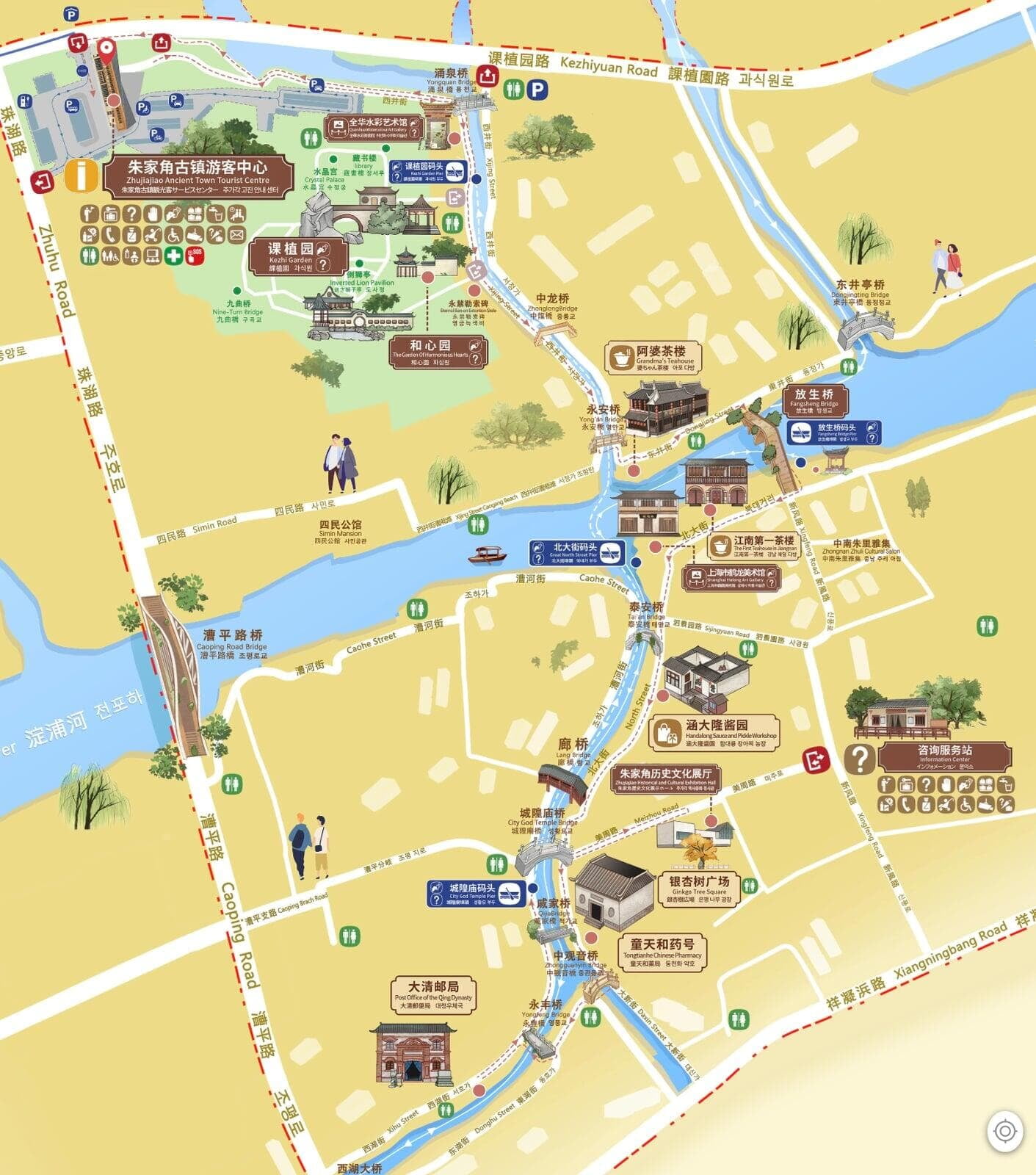
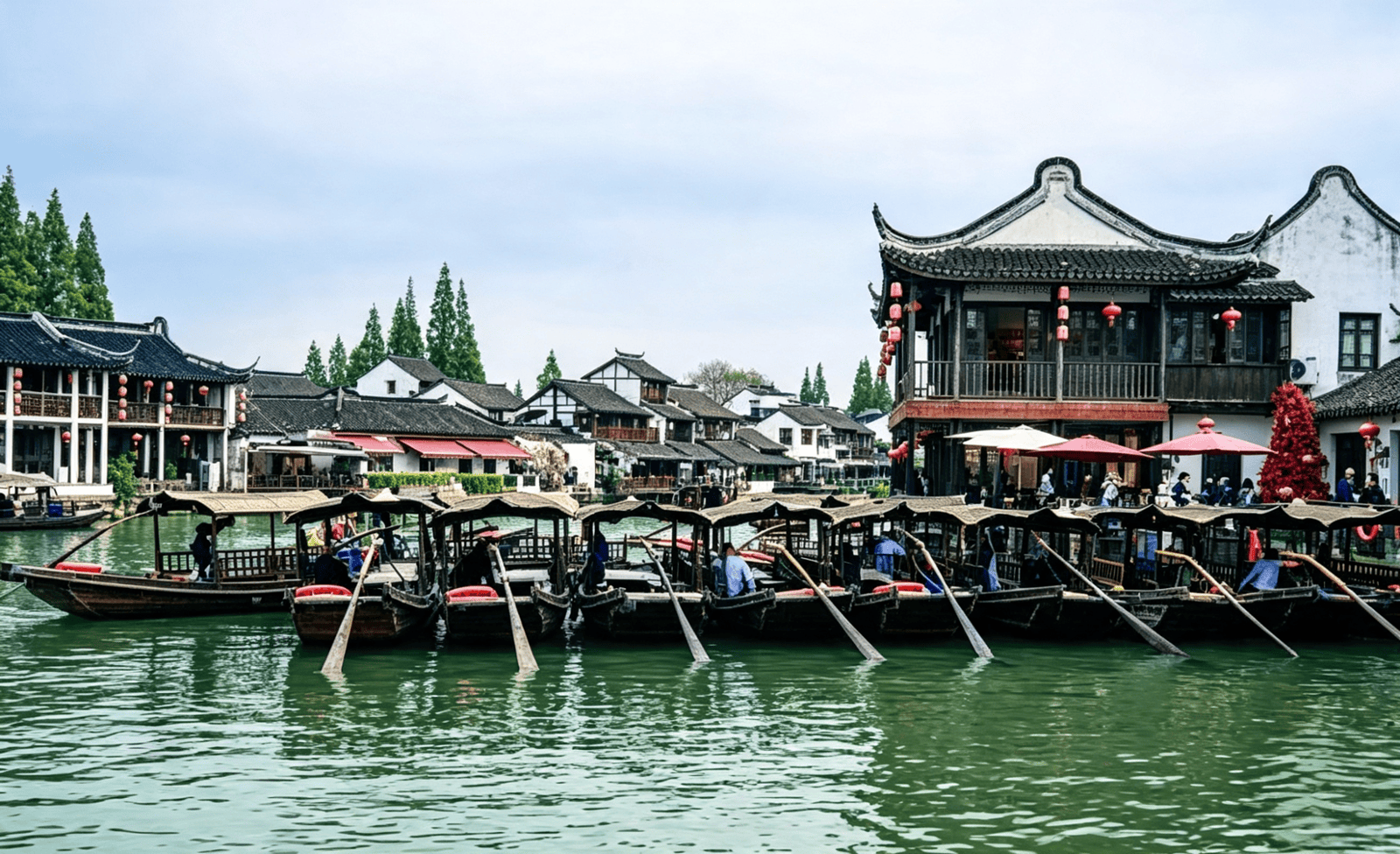
Zhujiajiao has long been known as the “Venice of Shanghai,” with the entire town woven together by a network of rivers and canals. Traditional houses line the waterways, while charming stone bridges span the canals, creating a picturesque water-town landscape. Small boats remain a distinctive way to explore the town, and numerous wharves connect its waterways. The Caogang River, the town’s main waterway, divides Zhujiajiao into two parts, with residential areas on the south bank and the main shopping district on the north. Winding granite lanes stretch along both sides of the river, lined with well-preserved historic buildings that reflect the town’s rich heritage and traditional Jiangnan architecture.

Boat Rides (游船)

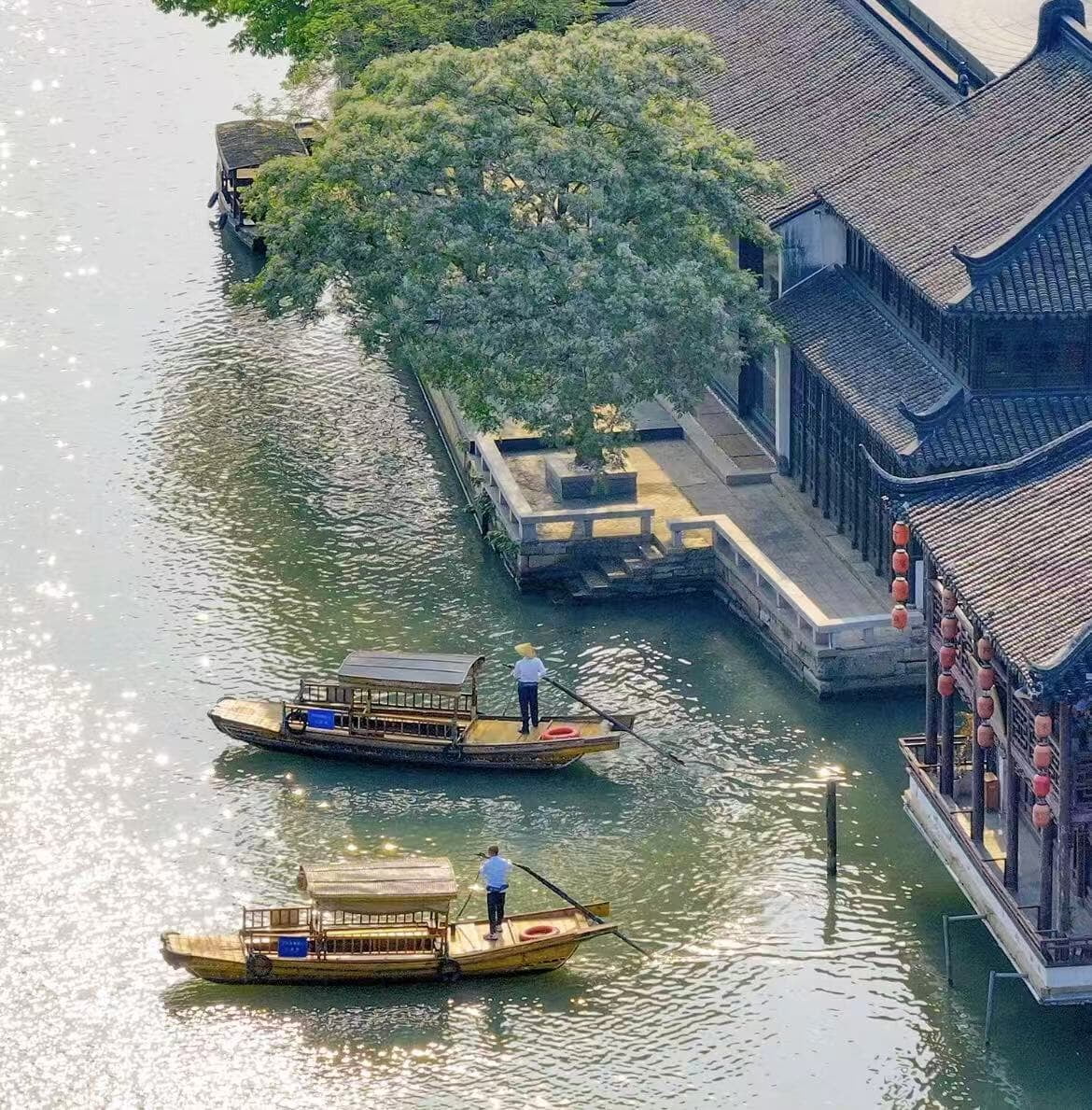
Taking a wooden boat ride along the ancient canals is the best way to immerse yourself in the authentic charm of Zhujiajiao Water Town. Each cruise lasts 15‑20 minutes, with up to six passengers per boat. You can buy tickets and board boats at any pier.

Boat Routes & Pricing

Kezhi Garden Pier

  • Route A: 200 RMB / boat | Kezhi Garden → Fangsheng Bridge → Beida Street

  • Route B: 300 RMB / boat | Kezhi Garden → Fangsheng Bridge → City God Temple

City God Temple Pier

  • Route A: 200 RMB / boat | City God Temple → Fangsheng Bridge → Beidajie Street

  • Route B: 300 RMB / boat | City God Temple → Fangsheng Bridge → Kezhi Garden

Beida Street Pier

  • Route A: 200 RMB / boat | Beida Street → Fangsheng Bridge → Kezhi Garden

  • Route B: 200 RMB / boat | Beida Street → Fangsheng Bridge → City God Temple
 Kezhi Garden ​(课植园)

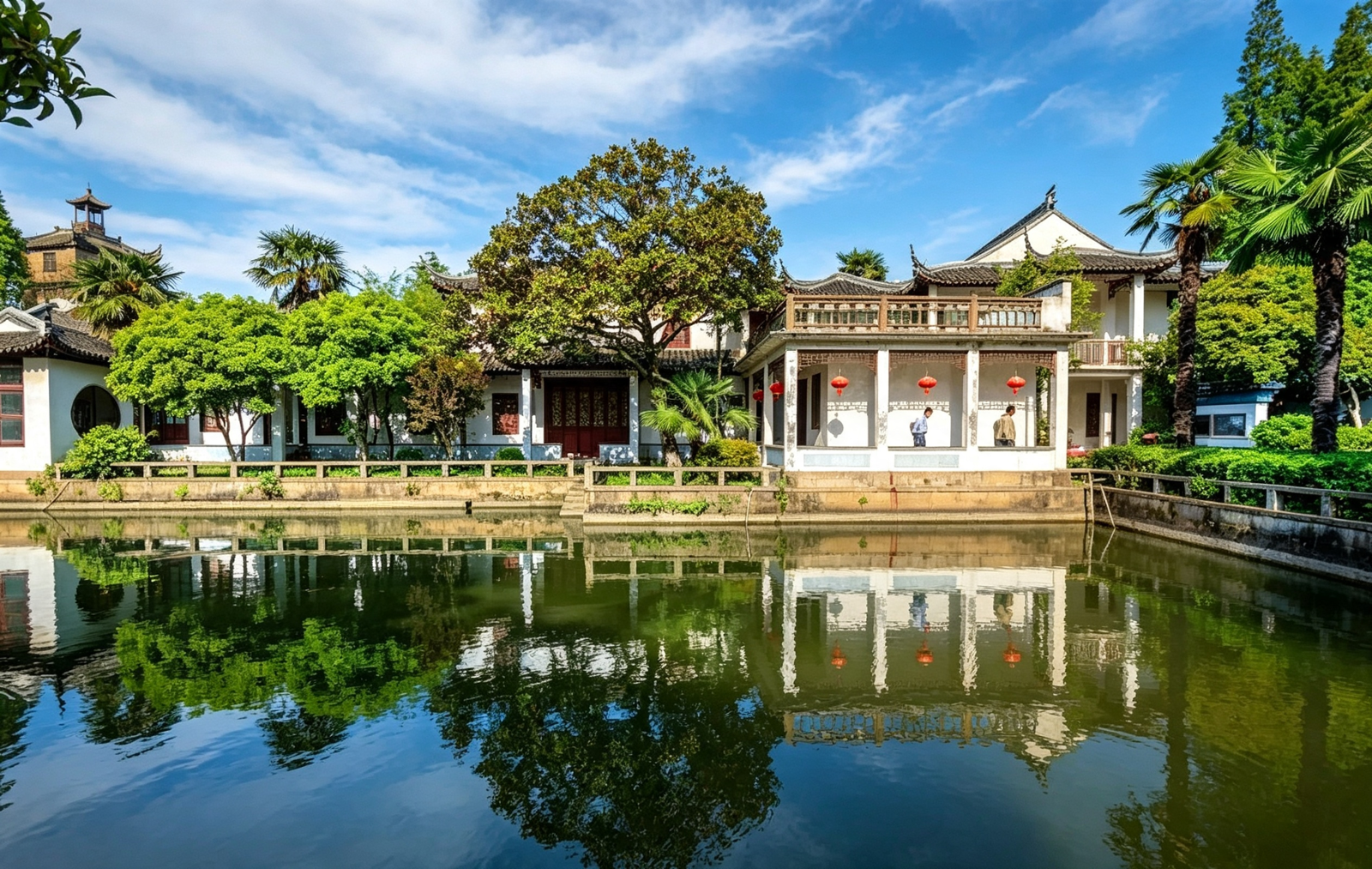
Located in Zhujiajiao Water Town, Kezhi Garden ("Learn and Plant Garden") is a premier 1912 Jiangnan estate built by merchant Ma Wuming. Its name reflects the dual values of education (Ke) and nature (Zhi).


Spanning three sections—residence, rockery garden, and farmland—it seamlessly blends classical Chinese landscaping with early 20th-century Western architectural touches. Its crowning feature, the multi-story Moon-Viewing Pavilion, offers panoramic canal views, making it a peaceful highlight of ancient Jiangnan culture.

The Garden of Inseparable Hearts 
​​(和心园)

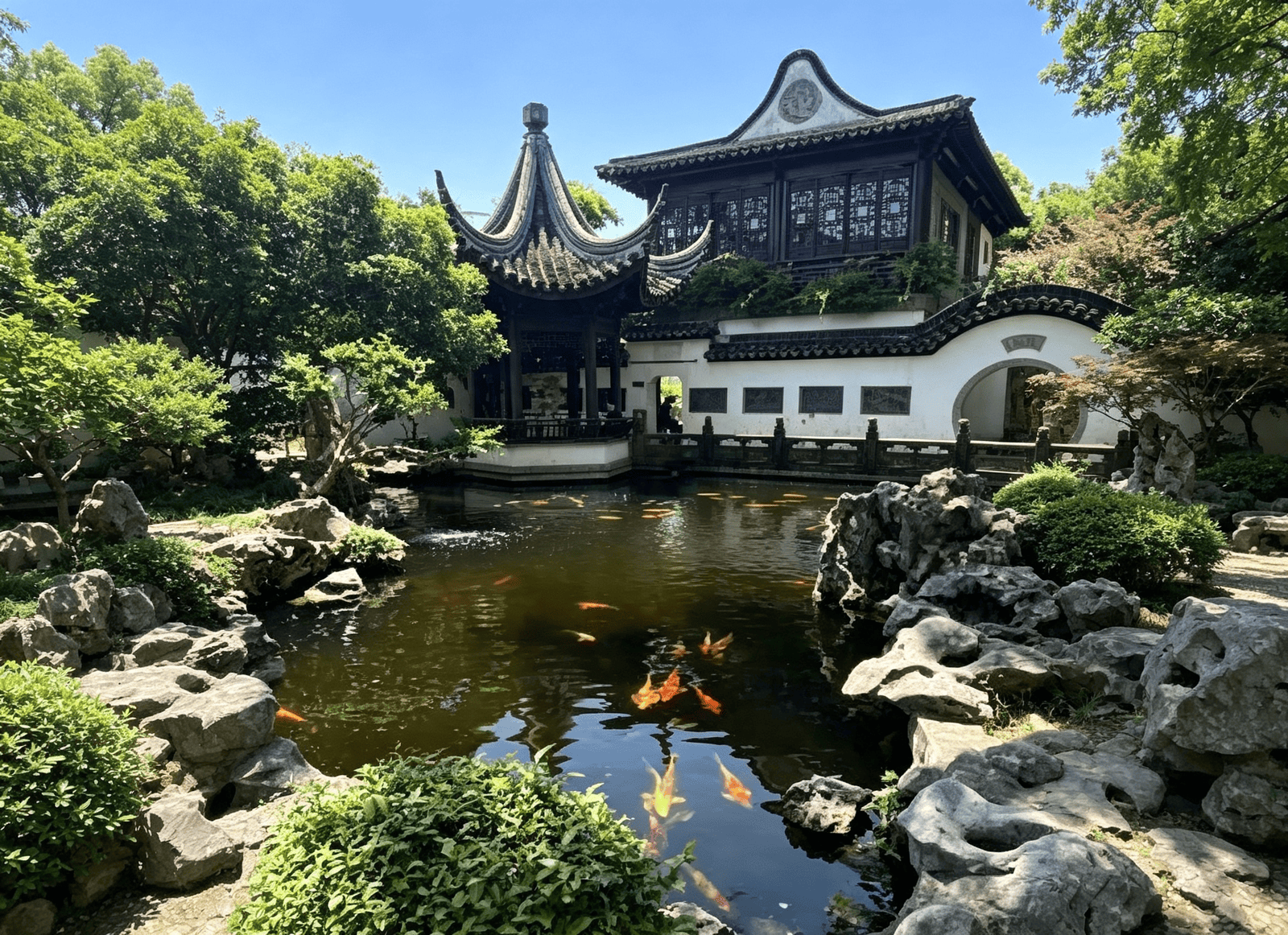
The Garden of Inseparable Hearts is a distinctive traditional Chinese garden and museum of antiquity and culture. Embodying the timeless essence of classical Chinese design, it harmoniously blends natural elements—lush foliage, elegant stonework, blooming flowers, and serene waters—with exquisitely crafted pavilions and secluded courtyards. 

Every detail reflects the quintessential beauty of a Jiangnan-style garden, where nature and architecture form a seamless, poetic whole. Here, cultural heritage and tranquil scenery converge, offering visitors an immersive journey through history, art, and timeless elegance.


Fangsheng Bridge(放生桥)

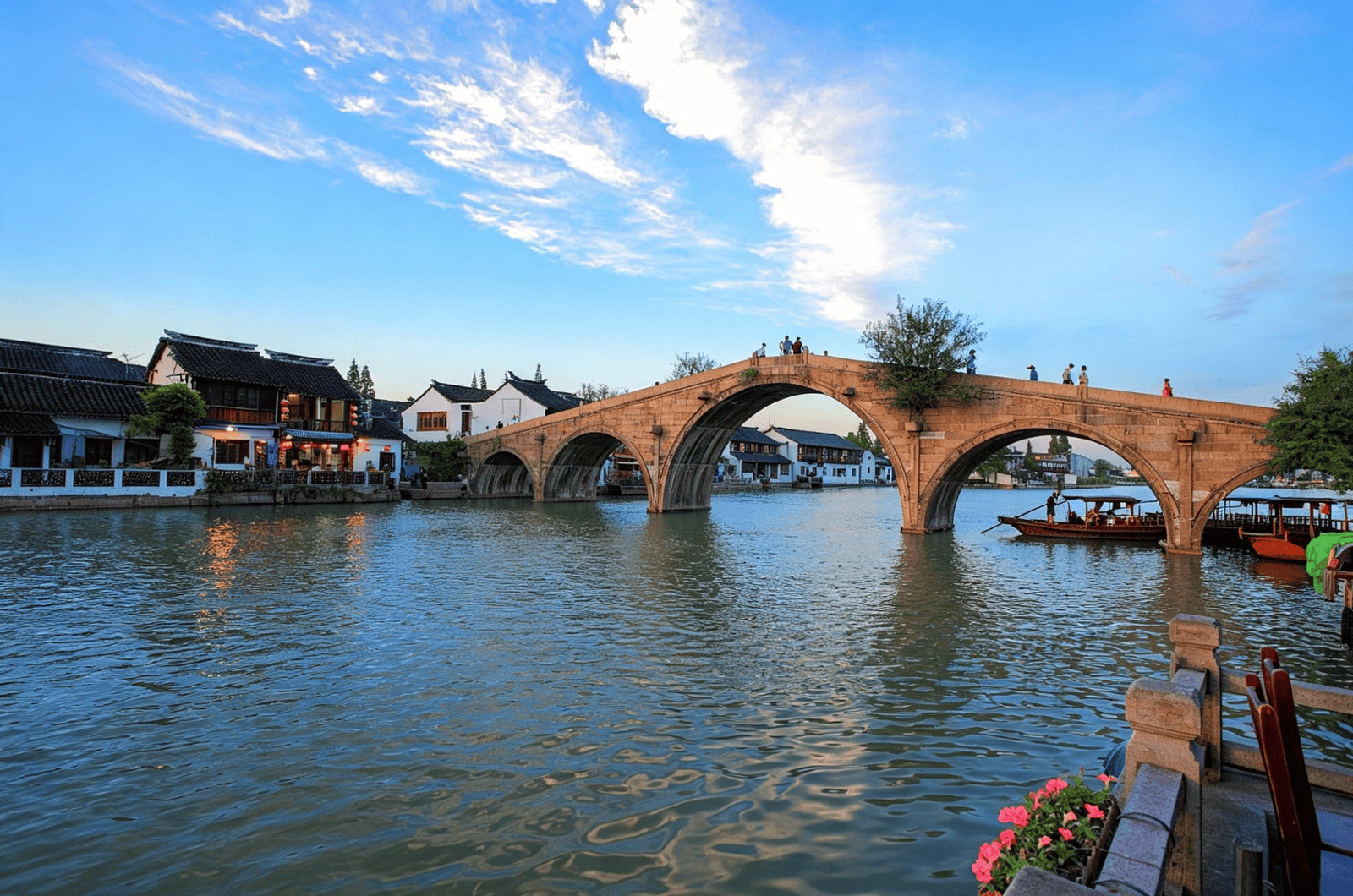
Fangsheng Bridge is undoubtedly the most iconic spot in Zhujiajiao. As Shanghai’s largest, longest, and tallest stone arch bridge, it spans the river, linking the town’s northern and southern parts. 

Originally built in 1571 and later rebuilt in 1812, the structure measures 70 metres in length, with five symmetrical arches and a peak height of 5.8 metres. Its central arch is adorned with a stone relief of eight dragons chasing a pearl, while the pillar ends are carved into lion sculptures. Whether admired from a distance or experienced from its top, the bridge offers equally stunning views, solidifying its status as the town’s enduring trademark.

Beida Street (北大街)

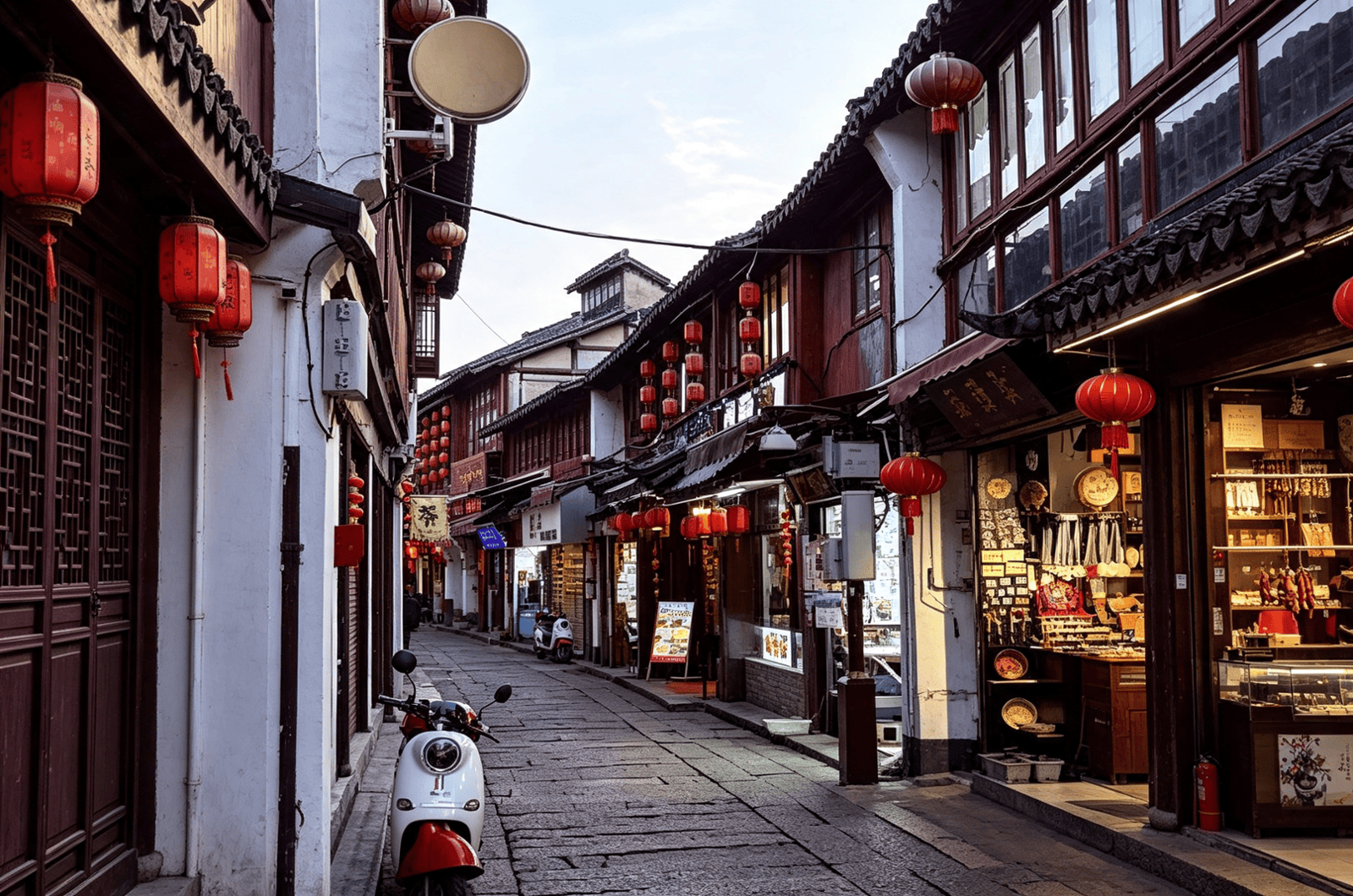
Beida Street is the busiest old street in Zhujiajiao. It runs along the river for about one kilometre. The street is very narrow, so locals call it "One‑Line Sky". On both sides, you can see old buildings from the Ming and Qing dynasties. Their roofs nearly touch each other above. 

The street is full of small shops, tea houses, and food stalls. You can try local snacks like braised pork and sticky rice dumplings. You can also buy handmade crafts and souvenirs. In the evening, red lanterns light up the street, and boats glide slowly on the water. This lively street gives you a real taste of water‑town life. It is a must‑see place in Zhujiajiao, where history and daily life come together in a charming, narrow lane.

Shanghai Helong Art Gallery 
​ (上海市鹤龙美术馆)

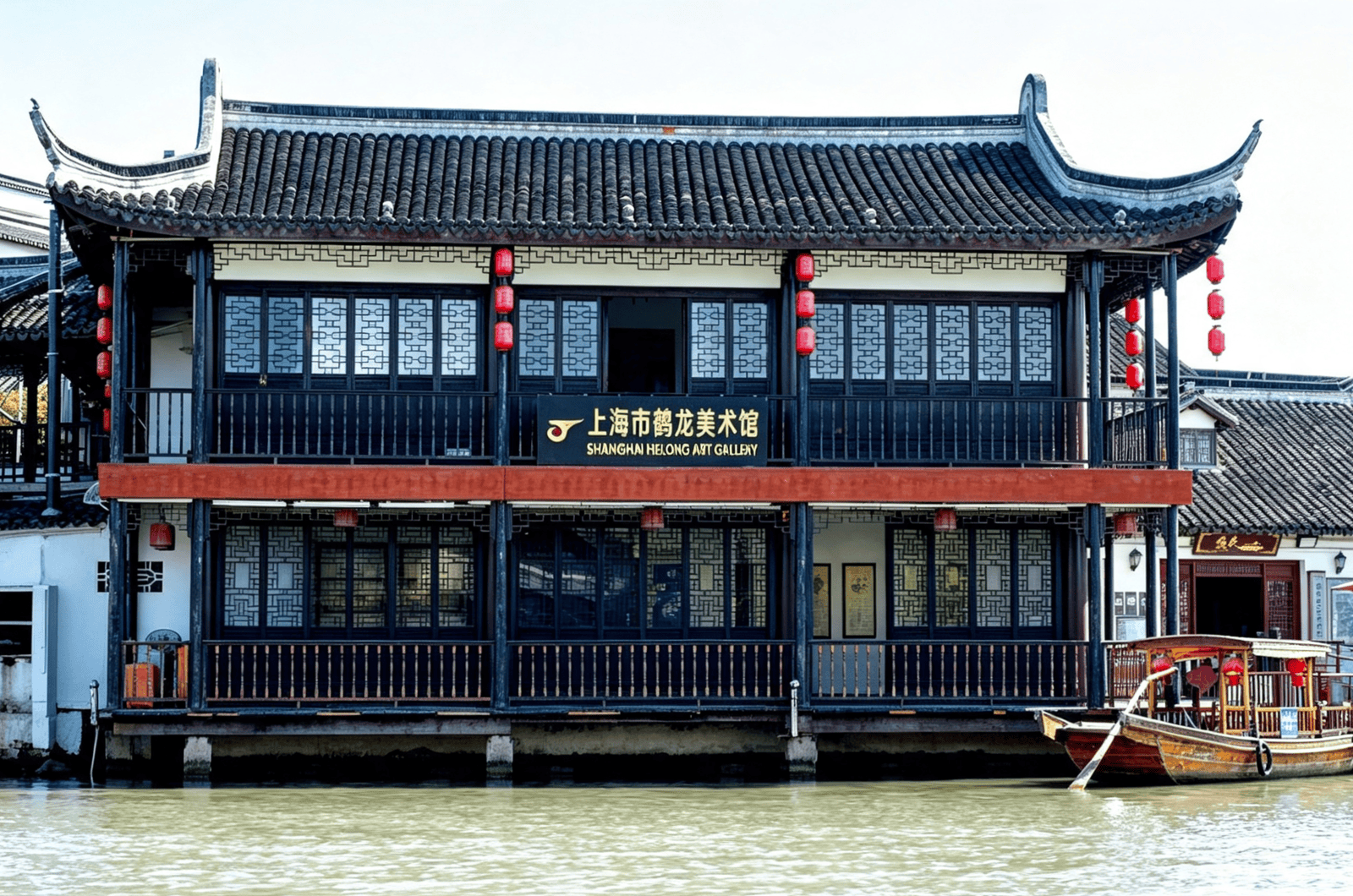
The Zhujiajiao branch of the Shanghai Helong Art Gallery is located in the Miaoqu Building on Great North Street. The street‑facing facade features finely carved wooden latticework, while the courtyard is open and airy, shaded by lush bamboo and encircled by elevated corridors. From the second‑floor riverside veranda, visitors can enjoy close views of the ancient Yuanjin Zen Temple and distant sights of the bustling Fangsheng Bridge. 

Founded by Mr. Guo Weizhong, the art gallery is one of Shanghai’s most extensive repositories of Haipai painting, with masterpieces by Zhang Daqian, Tang Yun, Cheng Shifa, and others.  The art gallery also houses a notable collection of ancient Chinese lacquerware, including exquisite Qianlong‑era imperial pieces.

Post Office of the Qing Dynasty 
​(大清邮局)

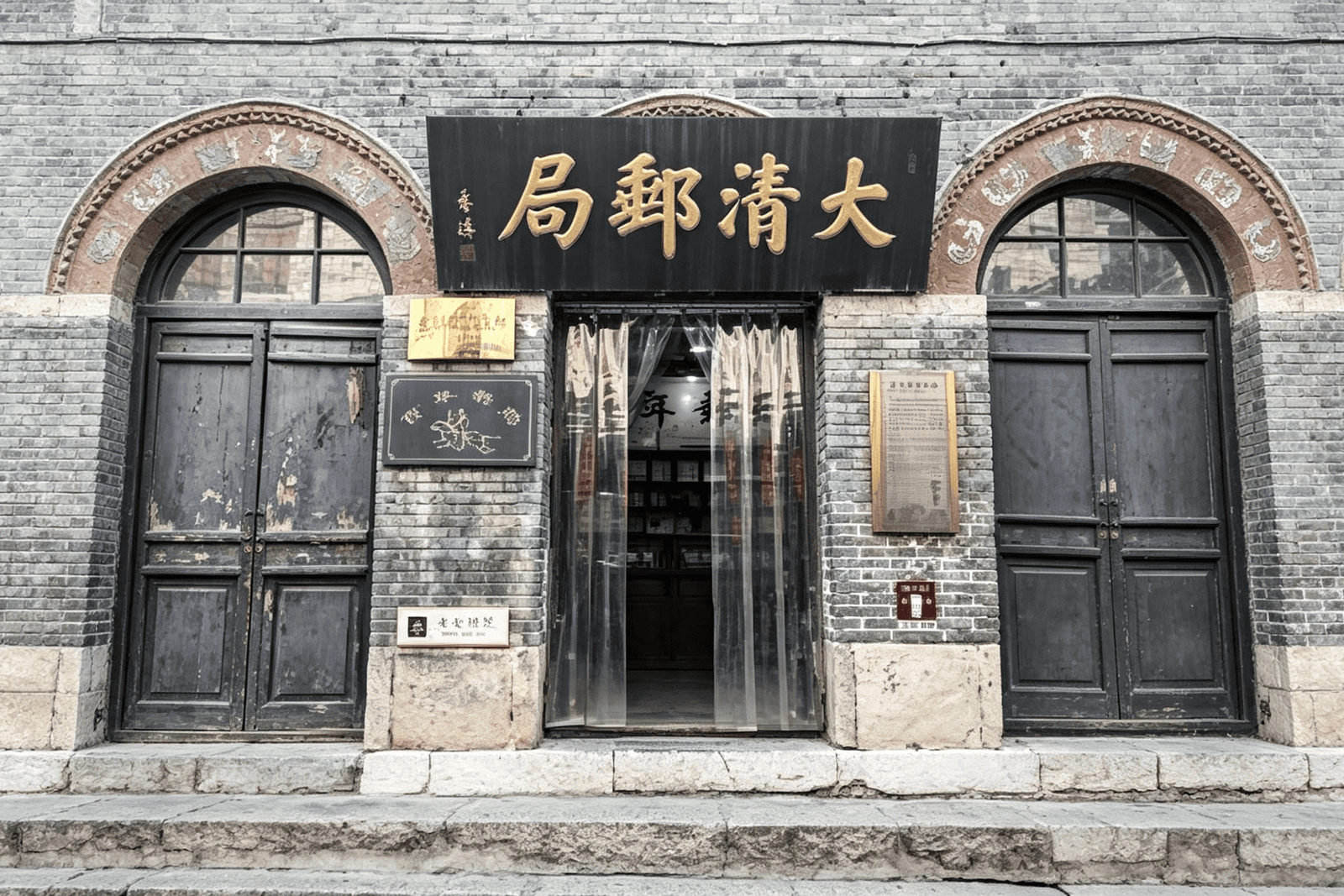
The Zhujiajiao Post Office of the Qing Dynasty, dating to 1903, is East China’s sole surviving Qing‑era post‑office site with over 120 years of history. Its postal branch was formally founded in 1903, ranking as the region’s earliest postal institution and one of Shanghai’s 13 major post stations.

Relocated near Fangsheng Bridge on Great North Street in 1953, it became a Qingpu‑district cultural heritage site in 2001. A bronze dragon‑shaped Qing‑style mailbox stands outside as its iconic symbol. Still processing mails, it captures the vintage romance of slow‑paced carriages and long‑awaited letters.

Recommended Route (Duration: about 5 hours)

Tourist Center → Kezhi Garden → The Garden Of Inseparable Hearts → Fangsheng Bridge → Shanghai Helong Art Gallery → Handalong Sauce and Pickle Workshop → Zhujiajiao Museum of Humanities and History → Tongtianhe Chinese Pharmacy → Post Office of the Qing Dynasty → City God Temple Pier → Kezhi Garden Pier → Tourist Center